Skiff Landscaping · Native and Florida-Friendly
Native Landscaping in Fort Lauderdale, FL
Native landscaping in Fort Lauderdale uses plants that already belong here, so your yard needs less water, less upkeep and less worry. Ned Skiff has worked with South Florida plants since he was a boy in his family's nursery.
- FNGLA Certified Landscape Contractor
- Best Management Practices certified
- Free first site visit
The idea
What Native Landscaping in Fort Lauderdale Means
South Florida is not like the rest of the country, or even the rest of Florida. Florida-friendly landscaping starts from that fact and chooses plants for the conditions you actually have.
Native Plants
Plants that grew here long before lawns did. They are used to our sun, summer downpours, dry winters and sandy soil.
Florida-Friendly Plants
Plants from elsewhere that behave well here: modest water needs, few problems and no tendency to take over.
Right Plant, Right Place
The rule behind all of it. Sun, shade, salt, drainage and space decide what goes where, not a catalog photo.
Why it works
Why Homeowners Choose Low Maintenance Landscaping
Less Water
Once established, drought tolerant landscaping gets by on far less irrigation, which matters under year-round local watering rules.
Less Upkeep
Low maintenance landscaping means fewer replacements and less fuss, because the plants are not fighting the climate.
Built for Storms and Salt
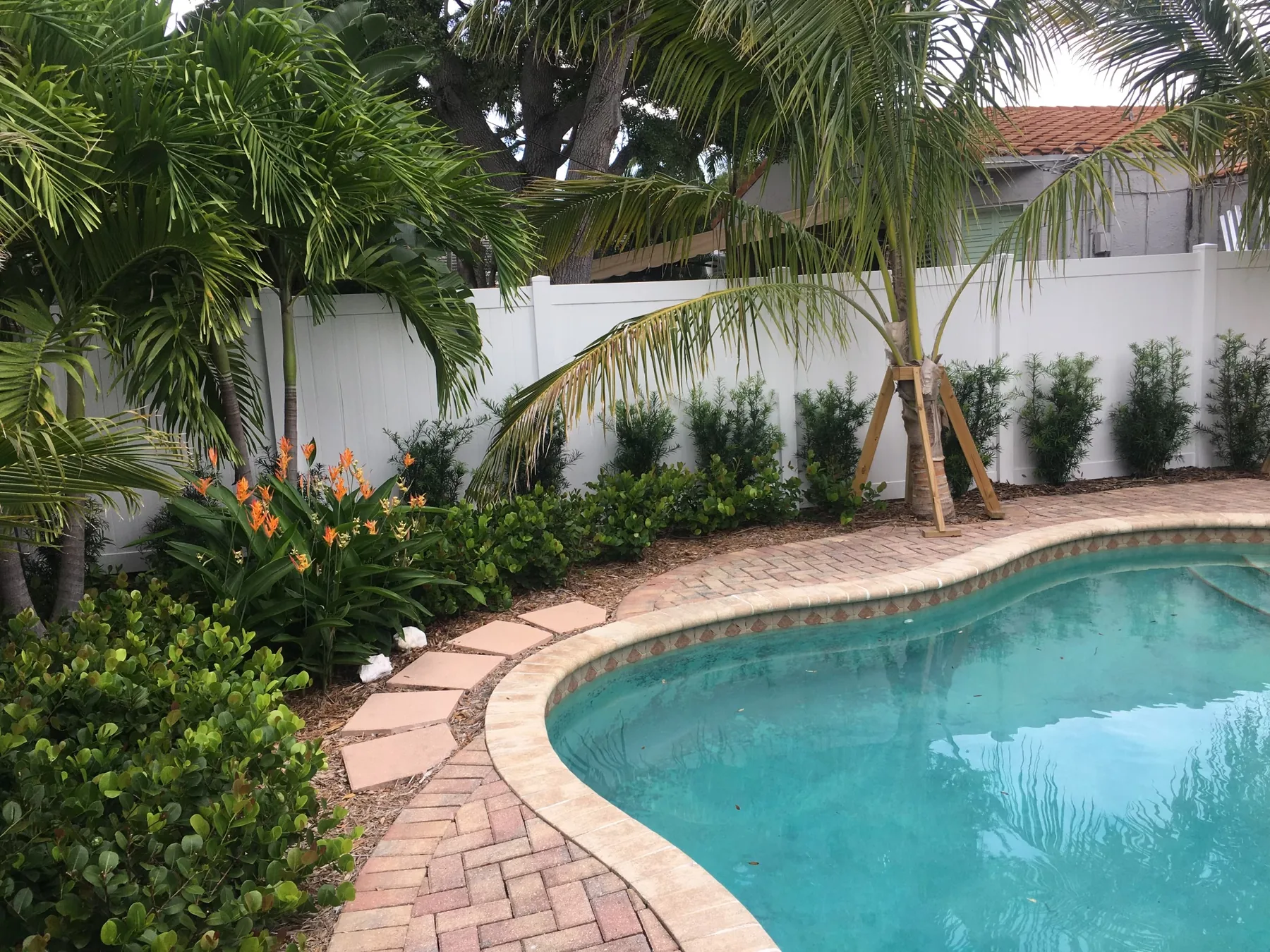
Many native plants of South Florida evolved with wind and salt spray. See coastal landscaping in Fort Lauderdale.
Good for Birds and Butterflies
Native plants feed and shelter the wildlife that belongs here, so the yard feels alive.
Works with the Rules
Cities and HOAs increasingly favor Florida-friendly landscaping. Ned is used to working within both.
Not All or Nothing
You are never limited to natives. Ned designs around the plants you like and tells you honestly what will grow where you want it.
The plants
Native Plants of South Florida We Often Suggest
Every plan starts with your property, so the plant list is different each time. These are the kinds of native plants in South Florida that tend to earn a place:
- Palms and trees: sabal palm, gumbo limbo, live oak and sea grape.
- Shrubs and hedges: cocoplum, firebush, wild coffee and Simpson's stopper.
- Grasses and groundcover: muhly grass, coontie and sunshine mimosa.
Ned will tell you plainly if a plant will not grow where you want it. Then the decision is yours.
Our work
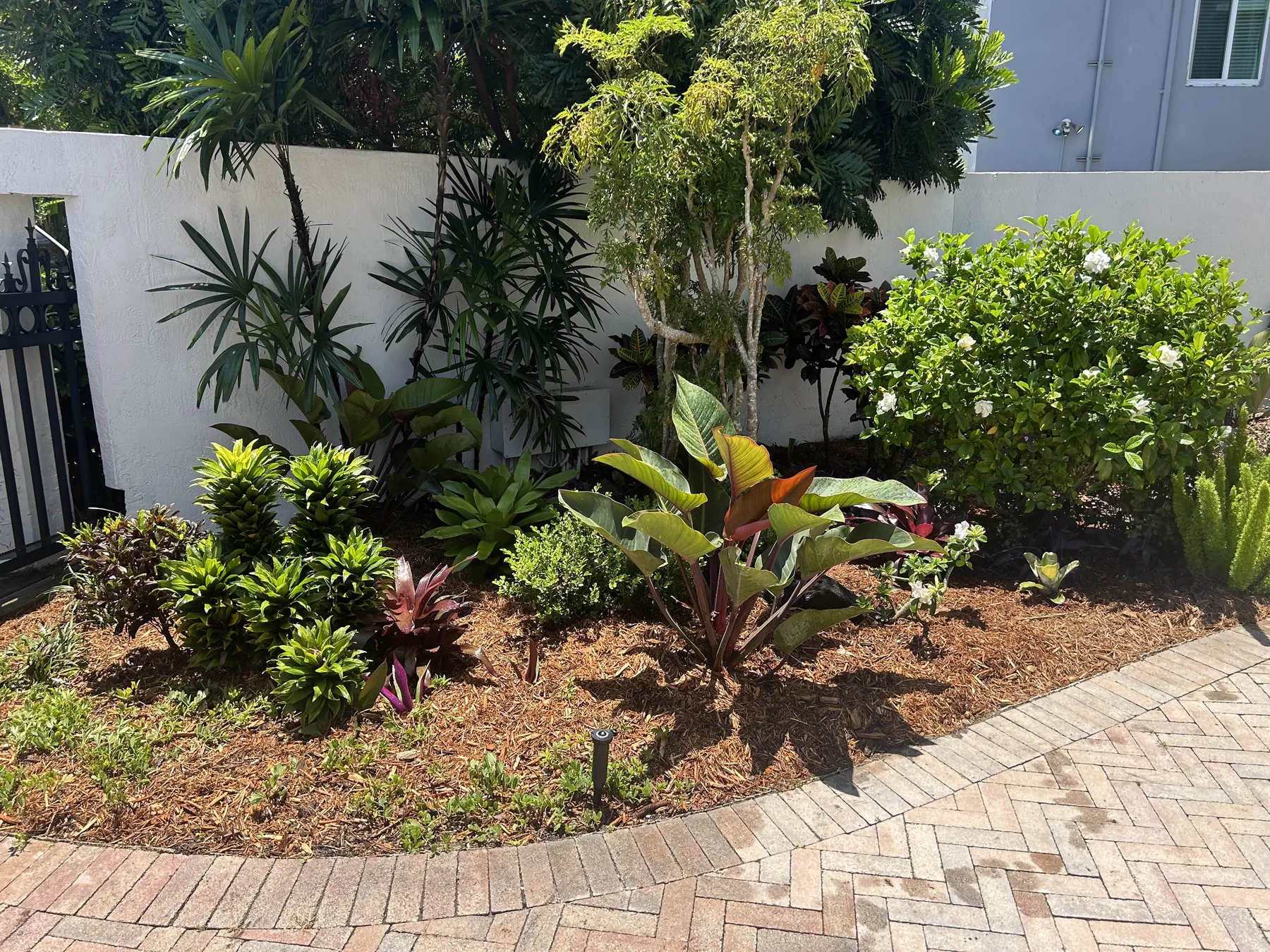
Low-Water, Low-Upkeep Planting by Skiff
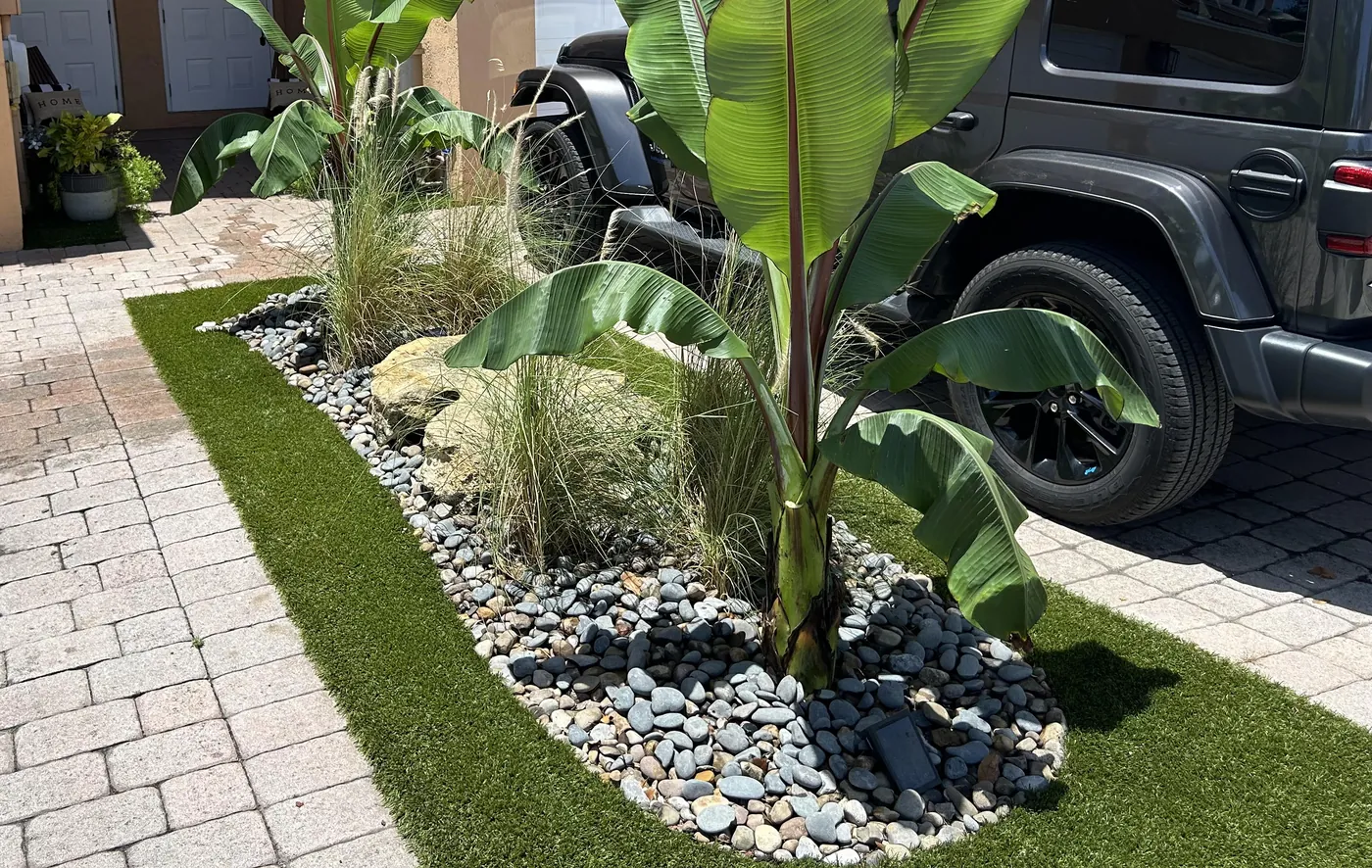
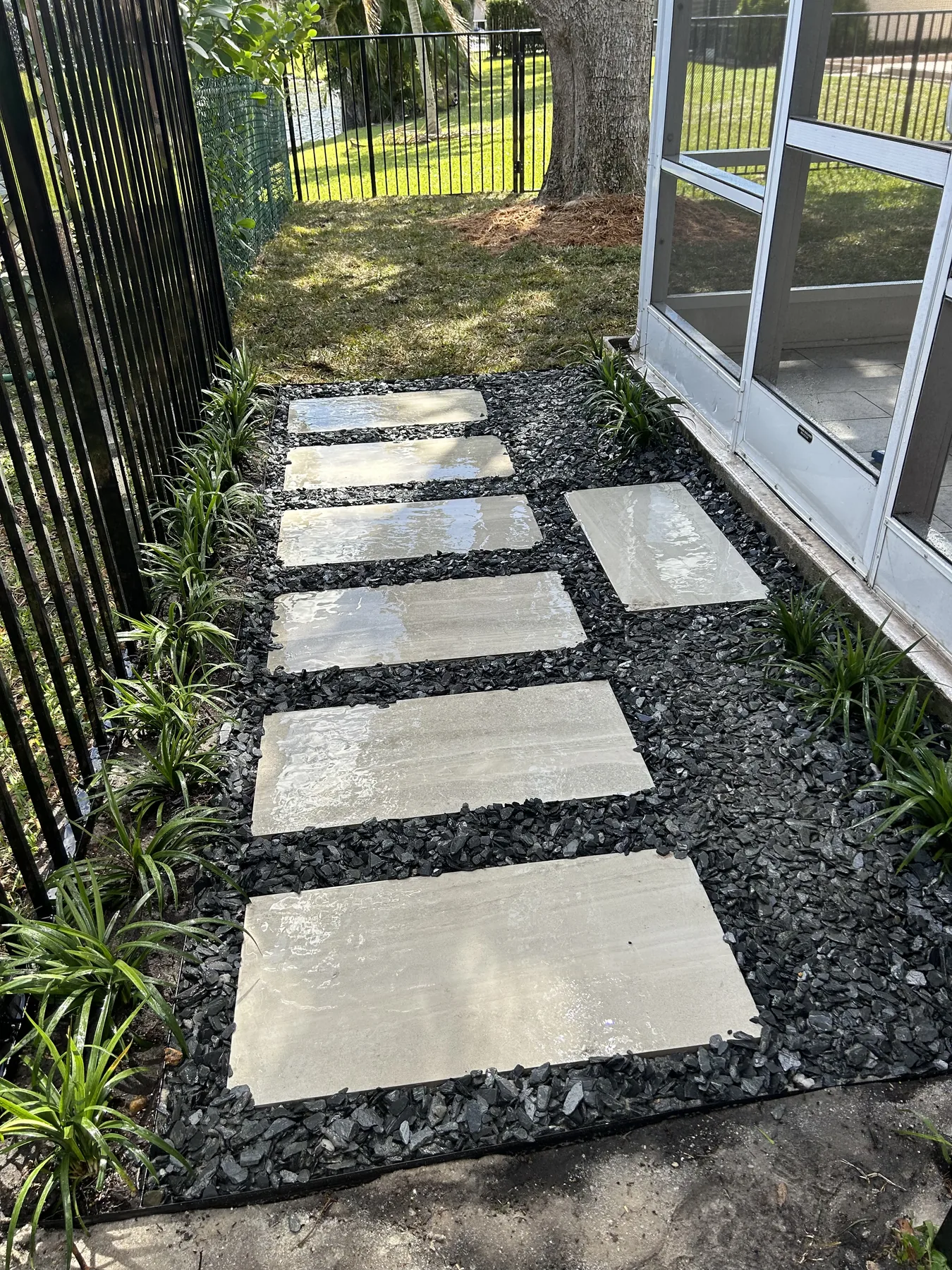
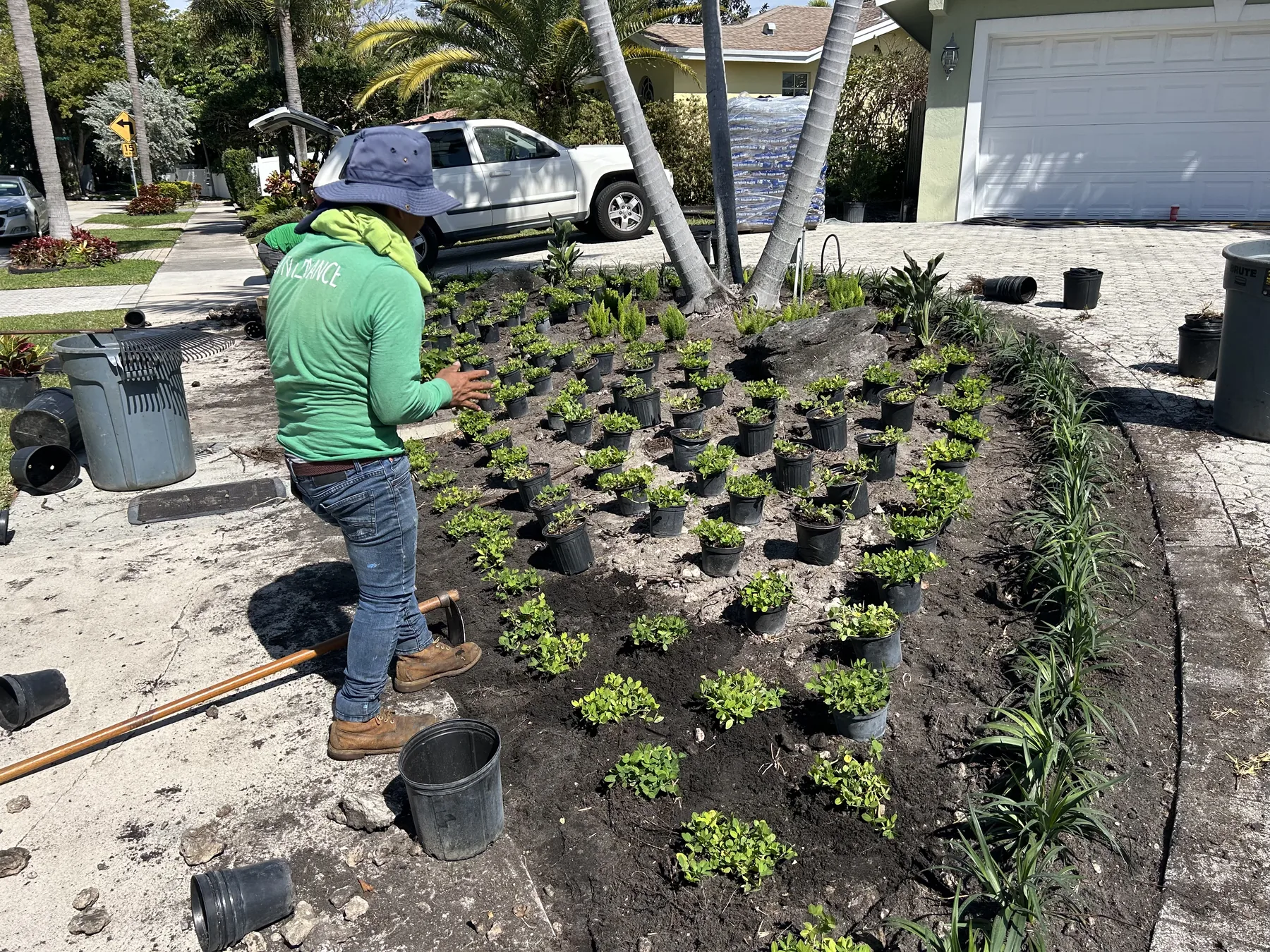
Rock, grasses, groundcover and gravel do a lot of the work that thirsty lawn used to do. Drought tolerant landscaping does not have to look dry.
How it works
How a Florida-Friendly Landscaping Project Works
Free Site Visit with Ned
Ned walks your property with you, looks at sun, shade, drainage and salt, and asks which plants you like.
Plan and Plant List
Ned designs the plan and builds a plant list suited to your conditions, your taste and your budget.
You Approve It
Nothing is planted until you are happy with the plan. A deposit, usually 50%, is due before work begins.
Installed by Our Crew
Skiff's crew installs the project and Ned oversees the work. The balance is due when the job is complete.
Want the full picture of how planting is done? Read about landscape installation in Fort Lauderdale.
In their words
What a Florida-Friendly Landscaping Client Says
"Very knowledgeable about Florida friendly landscaping that stands the test of time."
Carla C., Google review
Common questions
Native Landscaping Questions, Answered
What is the difference between native and Florida-friendly plants?
Native plants grew in South Florida before anyone landscaped here. Florida-friendly plants may come from elsewhere, but they suit our climate, need little extra water once established and do not spread where they are not wanted. A good plan usually uses both.
Will a native landscape look wild or messy?
Not if it is designed. Native and Florida-friendly plants can be clipped, layered and arranged like any other planting. Ned designs around how you want your home to present, whether that is traditional, tropical or something quieter.
Do native plants still need irrigation?
New plants need regular water while they establish. After that, plants chosen for the site need far less. Irrigation can be handled as part of your project by a trusted partner, and Ned coordinates it with the planting.
Can my HOA stop me from using Florida-friendly landscaping?
Florida law generally protects a homeowner's right to Florida-friendly landscaping, though HOA design approval may still apply. Bring your HOA guidelines to the site visit. Ned is used to working within HOA and city landscape requirements.
How much does native landscaping cost in Fort Lauderdale?
Every property is different, so Ned prices each project after he has seen the site and you have talked through what you want. The first site visit is free. If you move forward, there is a design fee that depends on the project, and it is credited toward the job when you hire us.
Start your project
Book a Native Landscaping Consultation
Tell us a little about your property. The first site visit is free.
- Send the form, or call (954) 869-9245.
- Ned follows up personally to set a time to walk your property.
- You get a plan and plant list built around your conditions and how you want your home to look.
Prefer to read more first? Visit our contact page.